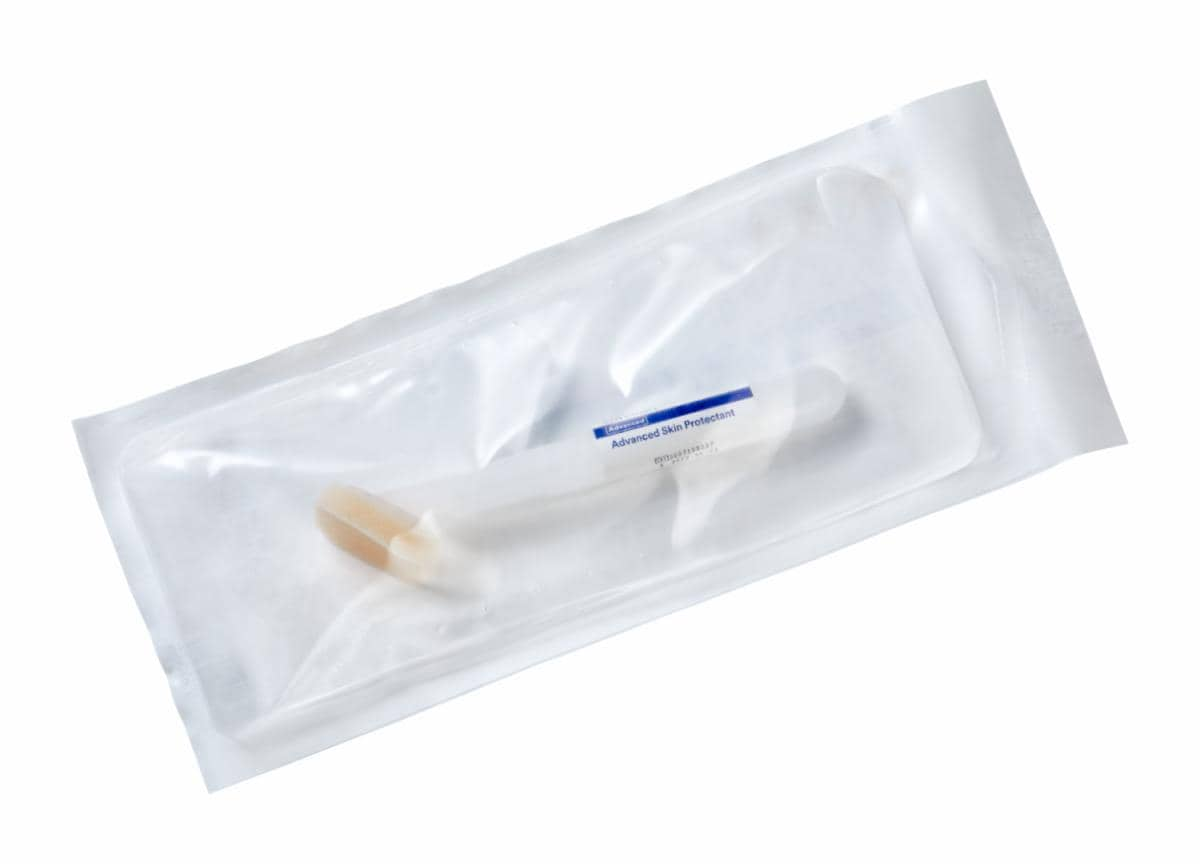



Footmender All In One Diabetic
Inhouse product


Reviews & Ratings
It is the skin’s job to protect underlying tissue from external
stressors. The outermost visible layer of the skin is called
the epidermis and functions as the body’s external shield.
The epidermis contains cells that produce keratin
– a sulphurous, fibrous protein that helps make skin strong
and resistant to wear. New keratin-containing cells are
produced continually in the epidermis. These cells slowly
move upward toward the surface of the skin. The closer to
the surface they get, the flatter they become, before they
eventually die. These dead cells remain on the surface of
the skin as a protective layer until they are replaced by new
cells from below and are shed. On average, this process
takes three to four weeks. The thickness of the epidermis
depends on where on the body it is located. Skin surfaces
that are subject to extra wear and tear, such as the palms of
the hands and soles of the feet, have a thicker epidermis.
2. What Are the Symptoms?
Diabetics very often suffer from dry skin, calluses and corns
on their feet as well as heel fissures. As many as 8 out of
10 diabetics are affected and the problems worsen with
FOOTMENDER ®
ALL IN ONE DIABETIC
INSTRUCTIONS
FOR USE
age. It is therefore doubly important that diabetics take
good care of their feet.
When the skin’s natural cell renewal process is
disrupted in some way, it can no longer shed dead skin
cells and these form a hard layer. When this happens the
skin becomes dry and calluses appear, which, in turn,
may lead to painful cracking. The skin’s appearance also
changes. Callused skin is often yellow or brownish in colour.
If they develop, heel fissures can be very painful. Left
untreated, the condition may worsen and the cracks may
become infected.
There are several factors that affect the development
of heel fissures and it is more common for fissures to
develop during the winter months and with age. When feet
are subjected to excessive strain, such as through standing
for long periods, using shoes with open heels and/or being
overweight, the increased pressure placed on the skin
makes it more prone to cracking.
Suitable For:
Information Currently Unavailable
How to Use :
Information Currently Unavailable
Storage:
Information Currently Unavailable
Precautions:
Information Currently Unavailable
Ingredients:
Aqua, Urea, Sodium Lactate, Lactic Acid, Tartaric Acid, Glycolic
Acid, Panthenol, Glycerin, Methyl Methacrylate Crosspolymer,
PEG-20 Methyl Glucose Sesquistearate, Methyl Glucose
Sesquistearate, Butyrospermum Parkii Butter, Octyldodecanol, Behenyl Alcohol, Simmondsia Chinensis Seed Oil, Saccharide Isomerate (Pentavitin ®), Hyaluronic Acid, Caprylyl
Glycol, Squalane, Polyacrylate-1 Crosspolymer, Retinyl
Palmitate, Citric Acid, Sodium Gluconate.
Footmender contains no perfumes or ingredients of
animal origin. Thanks to its unique formula and packaging,
Footmender does not contain any preservatives.
Attachments :
Information Currently Unavailable
Related products

Care Surgical Spirit 200ml

CCS Swedish Foot Cream 175ml

CCS Swedish Foot Cream 60ml


Product Queries (0)
Login Or Registerto submit your questions to seller
Other Questions
No none asked to seller yet